Peakiq Blog
From Idea to Launch The Complete Software Development Lifecycle (SDLC)
Explore every stage of the Software Development Lifecycle (SDLC) — from concept to deployment — and learn best practices for building scalable, high-quality software.
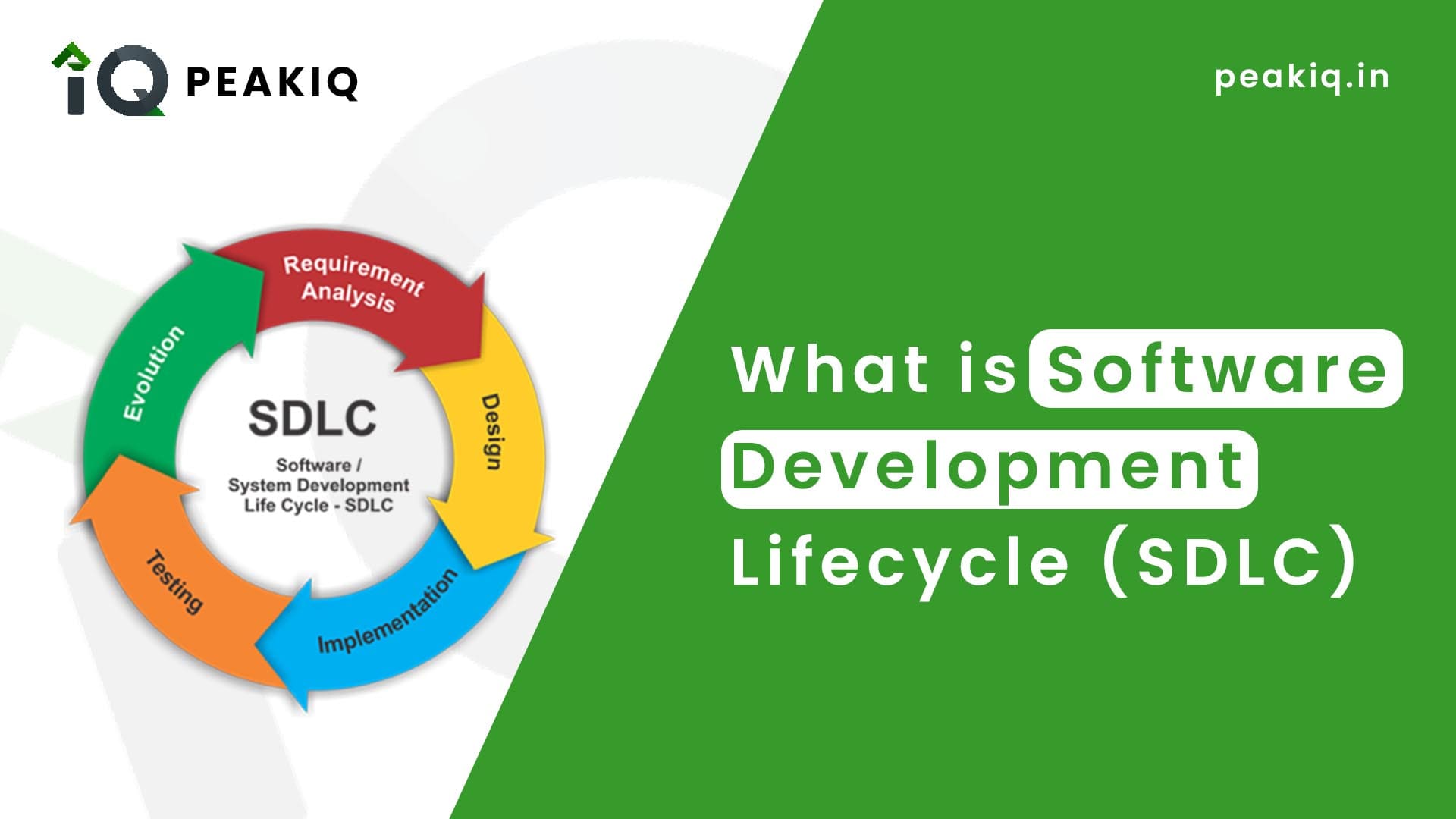
💡 From Idea to Launch: The Complete Software Development Lifecycle (SDLC)
Every great software product starts with a simple idea — but turning that idea into a successful, high-performing solution requires structure, strategy, and precision.
That’s where the Software Development Lifecycle (SDLC) comes in. It provides a systematic framework for planning, building, testing, deploying, and maintaining software — ensuring that every project is delivered on time, within budget, and at the highest quality.
Let’s explore the stages of SDLC, best practices, and how modern teams can optimize each phase for success.
🧭 1. Planning and Requirement Analysis
Goal: Define the project’s purpose, goals, and feasibility.
This is the foundation of any software project — where ideas evolve into actionable plans.
Teams collaborate with stakeholders to gather business requirements, identify user needs, and assess technical feasibility.
Key Activities:
- Conduct stakeholder interviews and requirement workshops
- Define scope, goals, and deliverables
- Perform feasibility studies (technical, operational, and financial)
- Create a project roadmap and timeline
Pro Tip: A well-defined scope prevents scope creep and ensures clear alignment between business objectives and development outcomes.
🧩 2. System Design and Architecture
Goal: Translate requirements into a blueprint for development.
Designers and architects create the technical architecture, database schema, and UI/UX layouts that define how the system will function and look.
Key Activities:
- Define system architecture (monolithic, microservices, or serverless)
- Create wireframes, mockups, and prototypes
- Select technology stack and frameworks
- Establish security, performance, and scalability standards
Pro Tip: Early design validation saves significant rework time during development.
💻 3. Development and Coding
Goal: Bring the design to life through clean, efficient, and scalable code.
This is the execution phase where developers start writing code following predefined guidelines, using version control systems like Git and adhering to agile or DevOps practices.
Key Activities:
- Implement features and modules
- Conduct peer code reviews
- Integrate APIs and third-party services
- Follow best practices (SOLID, DRY, modular code)
Pro Tip: Encourage continuous integration (CI) to detect and fix issues early, improving collaboration and code quality.
🧪 4. Testing and Quality Assurance (QA)
Goal: Ensure the software is stable, secure, and performs as expected.
Testing is not just about finding bugs — it’s about validating functionality, usability, performance, and reliability before release.
Key Activities:
- Conduct unit, integration, system, and UAT testing
- Perform security, performance, and regression tests
- Automate repetitive test cases using tools like Selenium, Cypress, or JUnit
Pro Tip: Adopt a “shift-left testing” approach — testing early in the development cycle to reduce risk and cost.
🚀 5. Deployment and Release
Goal: Deliver the final product to users seamlessly and efficiently.
Once testing is complete, the software is deployed to a production environment. Depending on the project, deployment may be staged, continuous, or manual.
Key Activities:
- Configure production servers and cloud environments
- Automate deployment with CI/CD pipelines (e.g., GitHub Actions, Jenkins)
- Monitor for post-launch bugs or performance issues
Pro Tip: Always use blue-green or canary deployments to minimize downtime and risk during rollouts.
🔧 6. Maintenance and Continuous Improvement
Goal: Keep the software reliable, secure, and up-to-date post-launch.
After release, the development team monitors performance, fixes bugs, and adds new features based on user feedback and evolving business needs.
Key Activities:
- Regular updates, patches, and optimizations
- Monitor application health and analytics
- Plan feature enhancements for future releases
Pro Tip: Treat maintenance as an ongoing investment — not an afterthought. Continuous improvement keeps your product relevant and competitive.
🌀 SDLC Models: Choosing the Right Approach
Different projects require different SDLC models depending on goals, complexity, and timelines.
Popular SDLC Models:
- Waterfall: Sequential and structured — ideal for projects with fixed requirements.
- Agile: Iterative and flexible — promotes collaboration and adaptability.
- DevOps: Integrates development and operations for faster, automated delivery.
- Spiral: Combines design and prototyping with risk analysis — suitable for complex projects.
Pro Tip: Many modern teams adopt a hybrid Agile-DevOps model — blending flexibility with automation and rapid deployment.
🚀 Final Thoughts: Turning Ideas Into Impact
The Software Development Lifecycle isn’t just a checklist — it’s a blueprint for building digital excellence.
When executed effectively, SDLC helps teams deliver high-quality software that meets user needs, scales effortlessly, and drives business growth.
From the first brainstorming session to post-launch monitoring, each phase contributes to a shared mission — turning innovative ideas into reliable, impactful technology solutions.
The key to success?
Plan smart, build iteratively, test relentlessly, and evolve continuously.